
Montessori Method
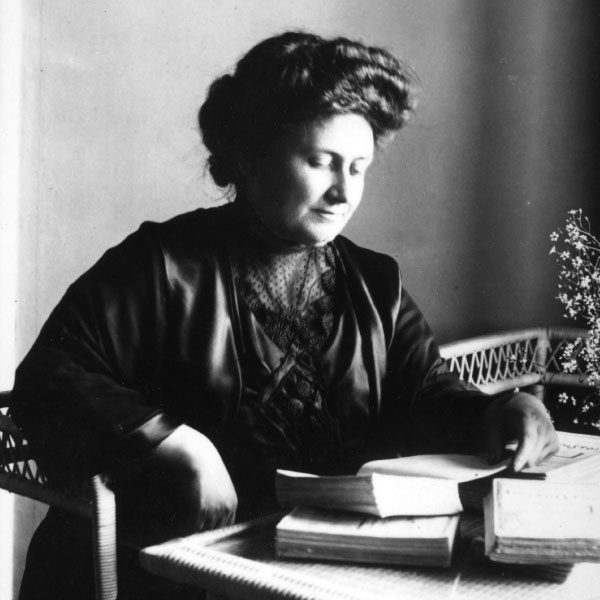
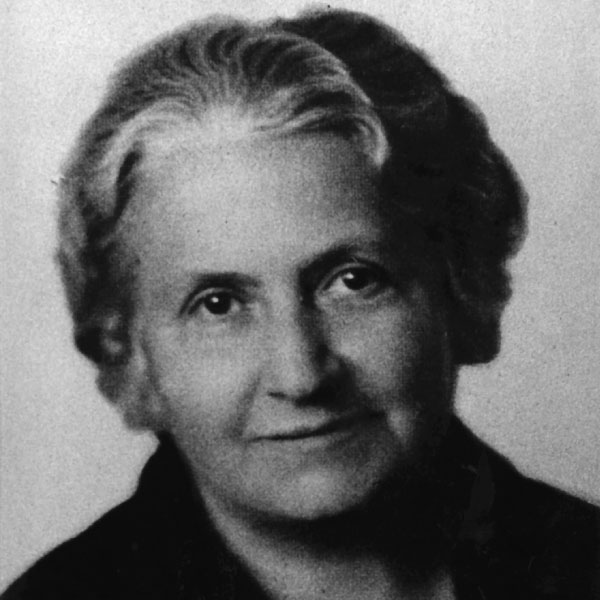
When Maria Montessori (1870 – 1952) graduated as Italy`s first female medical doctor she embarked on a career that led her to work with children excluded from the educational system. Through her observations and studies, she went on to develop a method of education which is now used throughout the world with children of all abilities, from birth to eighteen years old.
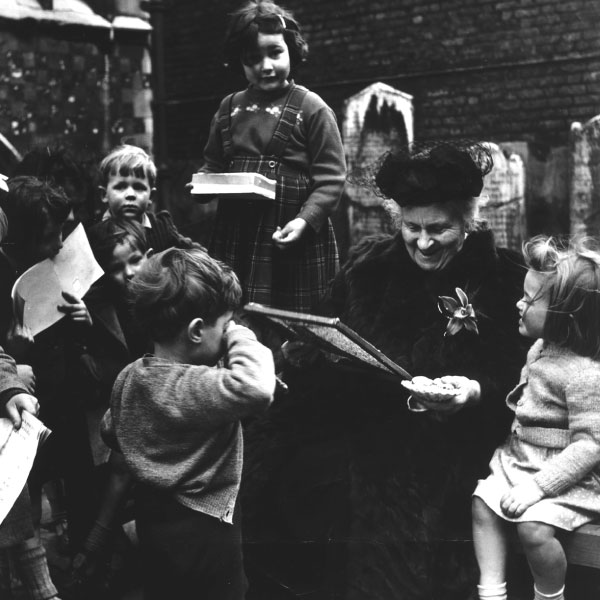
The method is based on self-directed activities, enabling the children to be independent learners and collaborative members of society. Children in a Montessori classroom (Children’s House) are supported by trained teachers (‘directresses’ or ‘directors’, or ‘guides’), and offered a wide range of age-appropriate, carefully designed activities both inside the classroom and outdoors.
The children work on their own and in small groups to discover and explore the stimuli from the environment prompting them to reach their own unique potential. Through use of specially designed activities and materials the children work at their own pace to learn about all aspects of language, maths, music, science, the wider world, creative pursuits and much more. The children’s natural instincts drive them on to repeat their chosen work and gain impressive levels of co-ordination,
concentration, physical development, self- esteem and intellectual development.
Dr Montessori believed passionately that world peace could only be achieved through the work we do in our prepared learning environments to help children become tolerant, self-confident citizens, guided by moral values which will help them to grow into strong, curious, socially and intellectually capable adults. The Montessori method transcends cultures, faiths, linguistic traditions and political systems.
“Children are human beings to whom respect is due, superior to us by reason of their innocence and the greater possibilities of their future.”
– Maria Montessori.
The following books by Maria Montessori provide background reading:
The Absorbent Mind
The Secret of Childhood
The Discovery of the Child
The Formation of Man
To Educate the Human Potential
Education for Human Development